About Nitric Oxide Gas
Nitric oxide (nitrogen oxide[3] or nitrogen monoxide) is a colorless gas with the formula NO. It is one of the principal oxides of nitrogen. Nitric oxide is a free radical, i.e., it has an unpaired electron, which is sometimes denoted by a dot in its chemical formula, i.e., NO. Nitric oxide is also a heteronuclear diatomic molecule, a historic class that drew researches which spawned early modern theories of chemical bonding.[4]
An important intermediate in chemical industry, nitric oxide forms in combustion systems and can be generated by lightning in thunderstorms. In mammals, including humans, nitric oxide is a signaling molecule in many physiological and pathological processes.[5] It was proclaimed the "Molecule of the Year" in 1992.[6] The 1998 Nobel Prize in Physiology or Medicine was awarded for discovering nitric oxides role as a cardiovascular signaling molecule.
Nitric oxide should not be confused with nitrous oxide (N2O), an anesthetic, or with nitrogen dioxide (NO2), a brown toxic gas and a major air pollutant
Versatile Roles in IndustryNitric Oxide Gas serves critical functions in various industries, including acting as a chemical intermediate in the manufacturing of nitric acid and playing a significant role in semiconductor processing. Owing to its high purity and reliable supply, it is a trusted component in diverse technical settings. Dependability and consistent quality make this gas essential for exacting industrial requirements.
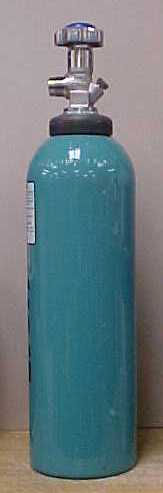
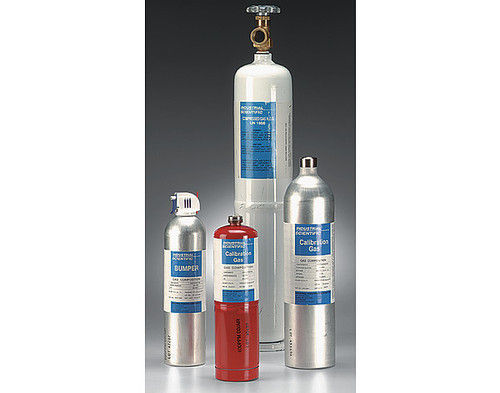
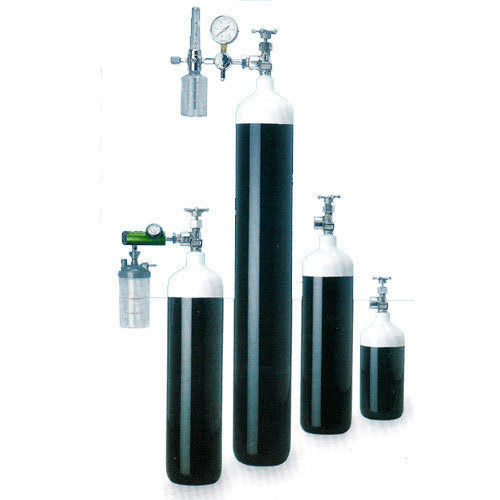
Safety and Handling ConsiderationsDue to its high toxicity and oxidizing properties, Nitric Oxide Gas must be handled with care. It is stored in seamless steel cylinders and classified under transport class 2.3 for toxic gases. Strict procedures are required during storage and transport, with emphasis on maintaining proper pressure and preventing exposure. Personnel should use appropriate safety gear and adhere to recommended storage protocols to minimize hazards.
FAQs of Nitric Oxide Gas:
Q: How is Nitric Oxide Gas used in industrial applications?
A: Nitric Oxide Gas is primarily utilized in the chemical synthesis of various compounds, as an intermediate for the production of nitric acid, and in the semiconductor industry for specialized processing and etching operations.
Q: What safety measures are necessary when handling Nitric Oxide Gas?
A: Due to its toxic and oxidizing nature, Nitric Oxide Gas must be managed using seamless steel cylinders, with personnel wearing suitable protective equipment. Proper ventilation and strict adherence to storage and transport protocols are essential for safe handling.
Q: Where should Nitric Oxide Gas be stored to maintain its shelf life?
A: Nitric Oxide Gas should be stored in cool, dry areas, away from direct sunlight and sources of ignition. Storage in the original seamless steel cylinders under recommended pressure ensures optimal stability and safety.
Q: When is Nitric Oxide Gas typically applied in the manufacturing process?
A: This gas is introduced during stages of chemical synthesis or etching where its reactivity is essential, especially in the production of nitric acid or during specific semiconductor fabrication procedures.
Q: What is the process for refilling or exchanging Nitric Oxide Gas cylinders?
A: Cylinders are exchanged or refilled by authorized suppliers who follow strict protocols, including safety checks, inspection of cylinder integrity, and proper labeling. Transport is carried out according to regulations regarding toxic gases (UN 1660, Transport Class 2.3).
Q: What benefits does Nitric Oxide Gas offer for chemical synthesis?
A: Nitric Oxide Gas provides controlled oxidation, facilitating the efficient synthesis of target products. Its high purity (99.5%) and reliable delivery ensure optimal yield and process consistency for manufacturers.